
Unlock the equity in your home for a more secure retirement
Reverse Mortgages, or Home Equity Conversion Mortgage (HECM), are loans insured by the Federal Housing Administration (HECM) for homeowners aged 62 and older
ABOUT
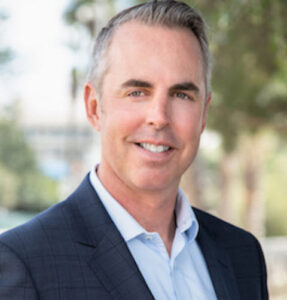
Reverse mortgage specialist Brian Guth will guide you through all the steps it takes to secure a reverse mortgage. Brian has been in the mortgage business for over 20 years and is the owner of Westside Mortgage Group.
You can reach Brian on his cell at 310-699-7190
GOOGLE REVIEWS


Adam Buffery
2 months ago
Brian Guth helped my wife and I secure a phenomenal deal on our recent home purchase in Santa Monica. He walked us through the process every step of the way and was always available to answer our questions. Brian exudes professionalism and care, and he has extensive experience in Los Angeles real estate. Would absolutely work with Brian again. He made the process a breeze. Highly recommended. Thank you, Brian!

Lorraine Lee Fang
2 years ago
Brian and his team were extremely communicative, professional, and responsive with our mortgage, even with a tight buying timeline. They were able to help my husband and I (both self employed, first time home buyers) find the right mortgage. We'd highly recommend them!

Min Fang
2 years ago
Brian and his team are consummate professionals that go out of their way to make sure your mortgage gets done no matter how tight the timeline. They are also seasoned experts that have seen every situation in the mortgage and home buying process. Would highly recommend them!

Ryan Orozco
2 years ago
From the very beginning, Brian Guth was an absolute professional and a true asset in our home-buying journey. He was incredibly informative, always taking the time to explain each step of the process in a way that made us feel confident and well-informed. No matter how many questions we had, he was always available—whether through a quick text or a phone call—responding promptly and making sure we never felt left in the dark.
What truly set Brian apart was his deep knowledge of the industry and his ability to navigate any challenge with ease. There were multiple instances where he stepped up in ways we never expected, ensuring everything stayed on track and moving forward. His problem-solving skills and proactive approach made all the difference, and we truly felt like we had the perfect teammate guiding us through the process.
Beyond his expertise, Brian was patient, professional, and genuinely invested in helping us achieve our goal. Buying a home can be overwhelming, but with Brian by our side, the entire process felt smooth and manageable.
If you’re looking for a loan officer who is reliable, knowledgeable, and fully committed to his clients’ success, we highly recommend Brian Guth. We couldn’t have asked for a better experience!

Natalie Johnson
2 years ago
Review for Brian Guth – Exceptional Mortgage Lender
As first-time homebuyers, we couldn’t have asked for a better mortgage lender than Brian Guth. Working in the corporate world, I’ve encountered many professionals, but Brian stands out as one of the best communicators I’ve ever worked with. He was always readily available for our calls, took the time to answer every single question in depth, and guided us through the process with incredible patience and expertise.
Brian worked hard for us over the course of our months-long home search to ensure we had the best possible rate. When we finally had an offer accepted, he was in perfect sync with us every step of the way. His professionalism, honesty, and industry knowledge made what is often a stressful process feel seamless.
We are beyond grateful for Brian’s hard work in securing the best rate for us and helping our growing family make the biggest purchase of our lives. He truly earned our business, and we look forward to working with him again in the future. Thank you, Brian!

ChiChi
3 years ago
Truly a wonderful experience — I worked with Brian and his team on my latest townhome purchase. He kept me in the loop at every turn, explained options and scenarios thoroughly. I had all the confidence in the world that my loan would be completed with the best rate and on time.
Will be a lifelong client of Brian’s. Make sure he is your first call!
WHAT TO ExPECT
A reverse mortgage is a special type of home equity loan that allows you to receive cash against the value of your home without selling it. The following is true for most reverse mortgages:
*** You can choose to receive a lump-sum payment, a monthly payment or a line of credit.
*** There are no restrictions on how you use the remainder of the money.
*** You continue to live in the home, and you retain title and ownership of it.
*** You are also still responsible for taxes, hazard insurance and home repairs.
*** However, you do not have to repay the loan as long as you continue to live in the home.
*** Instead, the amount you owe, based on loan payouts and interest on the loan, becomes due when you or the last borrower, usually the last remaining spouse, dies, sells or permanently moves out of the home.